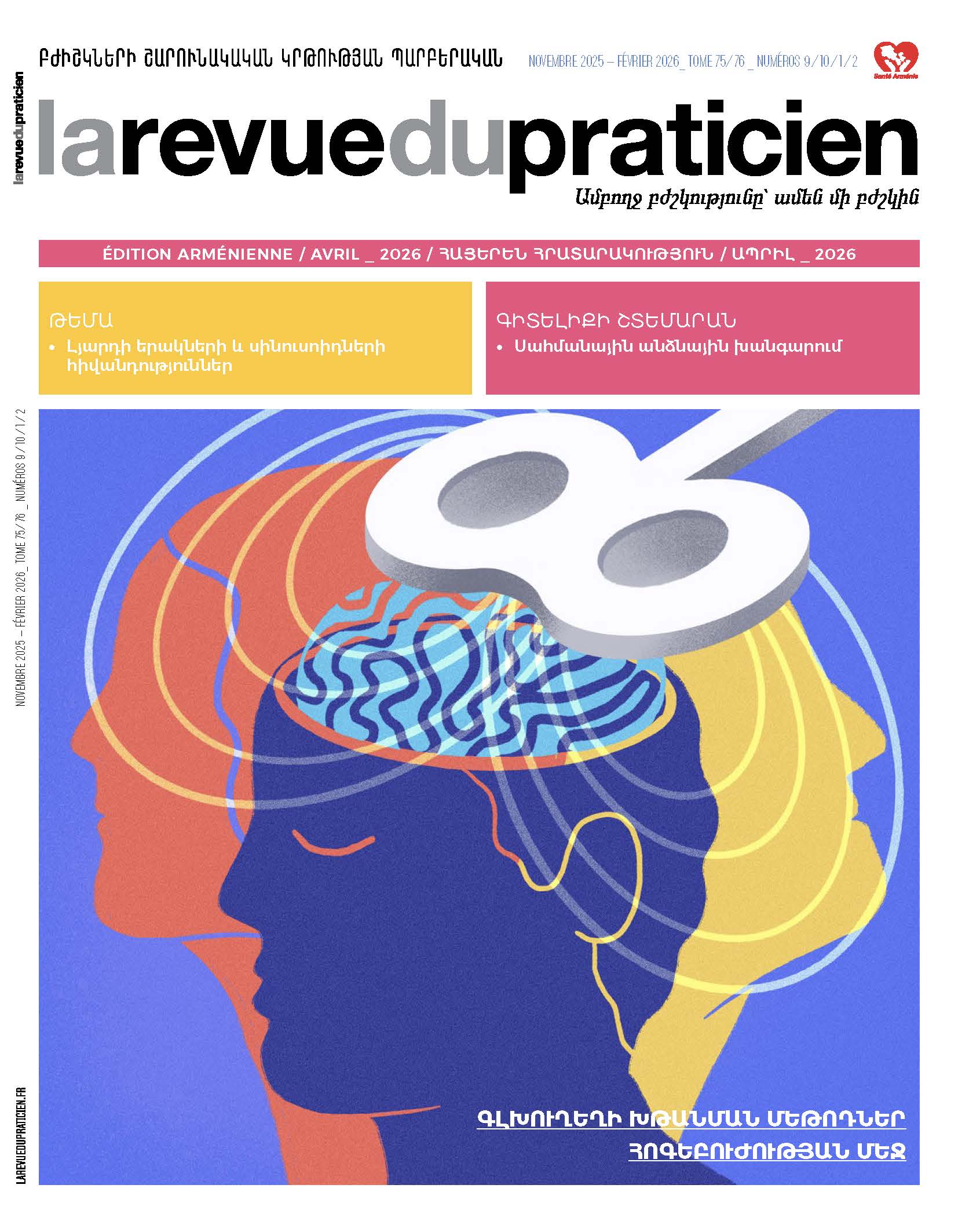
Հոգեբուժական խանգարումները բժշկի դիմելու հաճախակի շարժառիթ են՝ ընտանեկան բժշկի խորհրդատվությունների 15%-ը: Որոշ հիվանդներ ունենում են ծանր, այսինքն՝ նրանց գործունեության վրա զգալի ներգործություն ունեցող խանգարումներ, ոմանք էլ՝ բուժակայուն խանգարումներ, այսինքն՝ բավարար կերպով չեն արձագանքում արդյունավետ չափաբաժիններով և բավարար տևողությամբ նշանակված հակաընկճախտային բուժման երկու կուրսի։ Որոշ ախտանշաններ դժվար են ենթարկվում դեղորայքային բուժման: Դեղորայքային բուժամիջոցները համակարգային ազդեցության պատճառով հիվանդների շրջանում կարող են առաջացնել նյութափոխանակային կամ նյարդաբանական անցանկալի հետևանքներ։ Գլխուղեղի խթանումը նոր բուժական մոտեցում է, որն օջախային ազդեցության շնորհիվ հնարավորություն է տալիս սահմանափակելու համակարգային անցանկալի հետևանքները։ Ֆրանսիայում գլխուղեղի խթանման տարբեր եղանակներ կիրառվում են կլինիկական պրակտիկայում (էլեկտրացնցումային բուժում) կամ հետազոտությունների շրջանակում (կԱՄԽ՝ անդրգանգային մագնիսական կրկնական խթանում, ՀՀԱԽ՝ հաստատուն հոսանքով անդրգանգային խթանում, ԳԽԽ՝ գլխուղեղի խորանիստ խթանում և ԹՆԽ՝ թափառող նյարդի խթանում):
Les troubles psychiatriques sont un motif de consultation fréquent, représentant 15 % des consultations en médecine générale. Certains patients ont des troubles sévères, c’est-à-dire ayant un impact important sur leur fonctionnement. D'autres ont des troubles résistants, c’est-à-dire n’ayant pas répondu de façon satisfaisante à deux traitements antidépresseurs prescrits à une posologie efficace pendant une durée suffisante. Certains symptômes sont peu accessibles à un traitement pharmacologique. Les thérapeutiques médicamenteuses, par leur action systémique, peuvent exposer les patients à des effets indésirables métaboliques ou neurologiques. La stimulation cérébrale est une nouvelle approche thérapeutique permettant de limiter les effets indésirables systémiques grâce à son action focale. Différentes techniques de stimulation cérébrale sont utilisées dans la pratique clinique en France (électroconvulsivothérapie) ou relèvent du champ de la recherche (rTMS : stimulation magnétique transcrânienne, TDCS : stimulation transcrânienne à courant continu, DBS : stimulation cérébrale profonde et VNS : stimulation du nerf vague).
Psychiatric disorders are a frequent reason for consultation, accounting for 15% of general medical visits. Some patients have severe disorders, meaning they have a significant impact on their daily functioning. Others have treatment-resistant disorders, defined as an insufficient response to at least two antidepressant treatments prescribed at an adequate dosage for a sufficient length of time. Some symptoms are inacessible to pharmacological treatment. Because of their systemic action, pharmacological therapies may expose patients to adverse metabolic or neurological effects. Brain stimulation is a new therapeutic approach that helps mitigate systemic adverse effects through its focal action. Various brain stimulation techniques are used in routine clinical practice in France (electroconvulsive therapy) or within the research field (rTMS: repetitive transcranial magnetic stimulation, TDCS: transcranial direct-current stimulation, DBS: deep brain stimulation, and VNS: vagus nerve