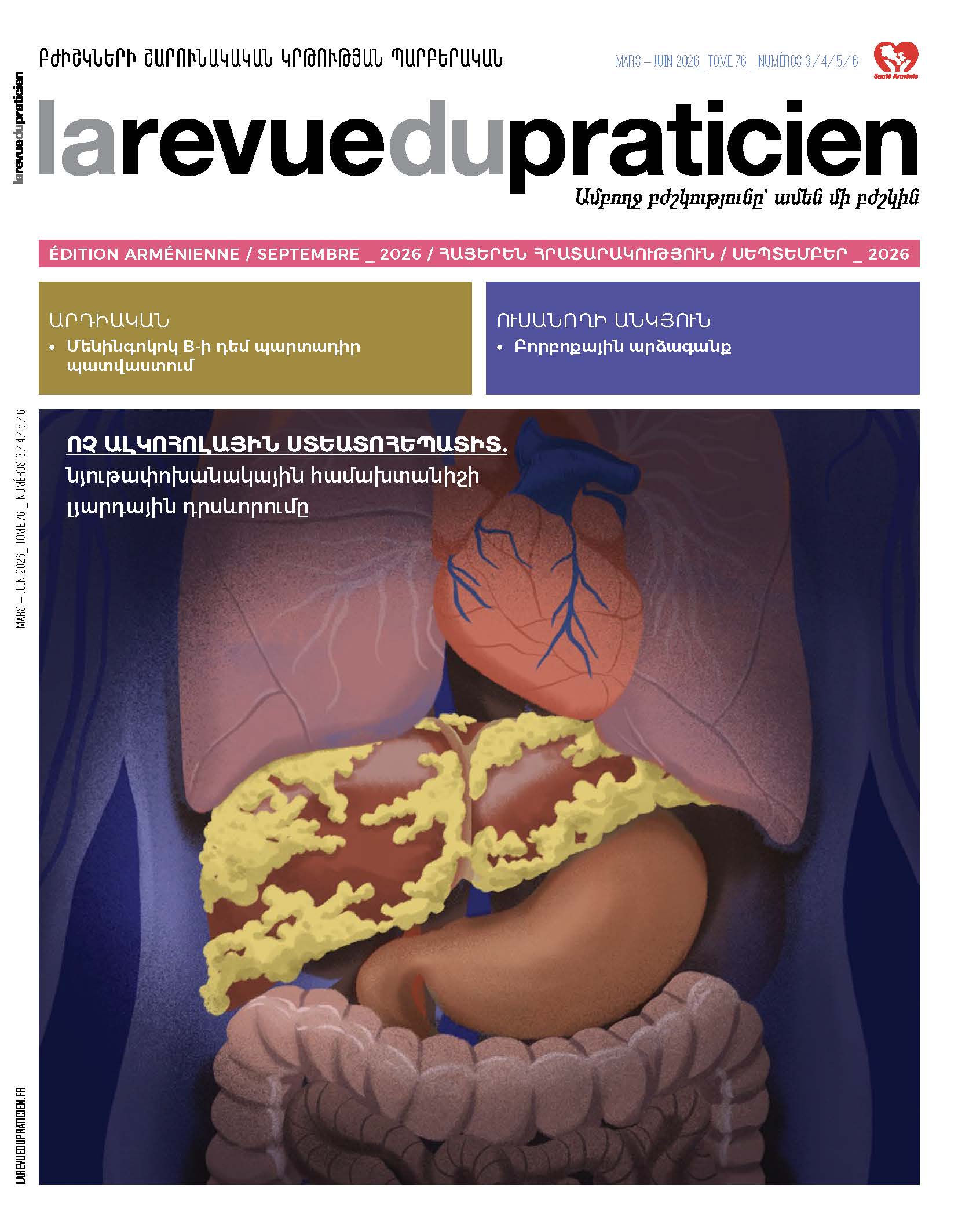
La prise en charge des stéatoses hépatiques métaboliques (metabolic dysfunction- associated steatotic liver disease [MASLD]) connaît une révolution. La lutte contre les facteurs de risque cardiovasculaire, l’équilibration d’un diabète de type 2, le dépistage des cancers extra-hépatiques communs, les mesures diététiques personnalisées, la pratique d’une activité physique, éventuellement via la prescription d’une activité physique adaptée (APA) et la lutte contre la sédentarité restent fondamentaux à proposer à tous les patients. Pour ceux ayant une stéato-hépatite métabolique (MASH) avec fibrose (F2 -F3), le resmétirom est la première molécule, efficace et bien tolérée, à avoir été commercialisée aux États-Unis et en Europe. Le sémaglutide ou les doubles ou triples agonistes des récepteurs des incrétines/récepteur du glucagon pourraient constituer la future colonne vertébrale de la prise en charge médicamenteuse des patients ayant une MASLD, du fait de l’obtention d’une perte de poids très significative (de 10 à plus de 24 % du poids initial). Le sémaglutide a démontré une réduction des événements cardiovasculaires et rénaux et a obtenu une autorisation de mise sur le marché dans la nouvelle indication de MASH sans cirrhose, aux États-Unis. Le choix de la meilleure combinaison de médicaments, la durée optimale de prescription et la meilleure option médicamenteuse dans le cas de la cirrhose MASH restent à déterminer.
Նյութափոխանակային ճարպային հեպատոզների (նյութափոխանակային գործառույթի խանգարման հետ համակցված՝ լյարդի ստեատոզային հիվանդություն, ՆՀԼՍՀ) վարումը հեղափոխություն է ապրում: Պայքարը սիրտ-անոթային վտանգի գործոնների դեմ, 2-րդ տիպի շաքարային դիաբետի կարգավորումը, տարածում գտած արտալյարդային քաղցկեղների սքրինինգը, անհատականացված սննդակարգային միջոցառումները, ֆիզիկական ակտիվությունը (հնարավորության դեպքում՝ հարմարեցված ֆիզիկական ակտիվության [ՀՖԱ] նշանակմամբ) և նստակյաց կենսակերպի դեմ պայքարը շարունակում են լինել բոլոր բուժառուներին առաջարկվող հիմնարար մոտեցումները: Ֆիբրոզով (F2-F3) նյութափոխանակային ստեատոհեպատիտ (ՆՀՍՀ) ունեցողների համար ռեսմետիրոմն առաջին արդյունավետ և լավ տանելի դեղամիջոցն է, որը վաճառքի է հանվել ԱՄՆ-ում և Եվրոպայում: Սեմագլյուտիդը կամ ինկրետինների/գլյուկագոնի ընկալիչների երկակի կամ եռակի համազդիչները կարող են դառնալ ՆՀԼՍՀ-ով հիվանդների դեղորայքային վարման ապագայի առանցքը՝ քաշի զգալի կորստի շնորհիվ (սկզբնական քաշի 10%-ից մինչև ավելի քան 24%): Սեմագլյուտիդն ապահովել է սիրտ-անոթային և երիկամային իրադարձությունների նվազում և ԱՄՆ-ում ստացել շուկայում վաճառքի թույլտվություն նոր ցուցմամբ՝ առանց ցիռոզի ՆՀՍՀ: Դեռևս հարկավոր է որոշել դեղամիջոցների լավագույն համակցությունը, նշանակման օպտիմալ տևողությունը և լավագույն դեղաբուժական տարբերակը ՆՀՍՀ-ով պայմանավորված ցիռոզի դեպքում:
Drug treatment of metabolic dysfunction-associated steatotic liver disease (MASLD) is undergoing a revolution. The fight against cardiovascular risk factors, the optimization of the treatment of type 2 diabetes, the screening of common extra-hepatic cancers, personalized dietary measures, therapeutic physical exercise programs and the fight against a sedentary lifestyle remain fundamental to propose to all patients. For patients with metabolic dysfunction-associated steatohepatitis (MASH) and liver fibrosis (F2-F3), resmetirom is the first effective and well-tolerated drug marketed in the USA and Europe. Semaglutide or double or triple incretin receptor/glucagon receptor agonists could constitute the future cornerstone of drug management for patients with MASLD, due to the achievement of very significant weight loss (from 10 to more than 24% of the initial weight). Semaglutide has been shown to reduce cardiovascular and renal events, and has been approved for marketing in the USA, for MASH without cirrhosis. The choice of the best drug combination, the optimal prescription duration and the best drug option in the case of MASH-related cirrhosis remain to be determined.