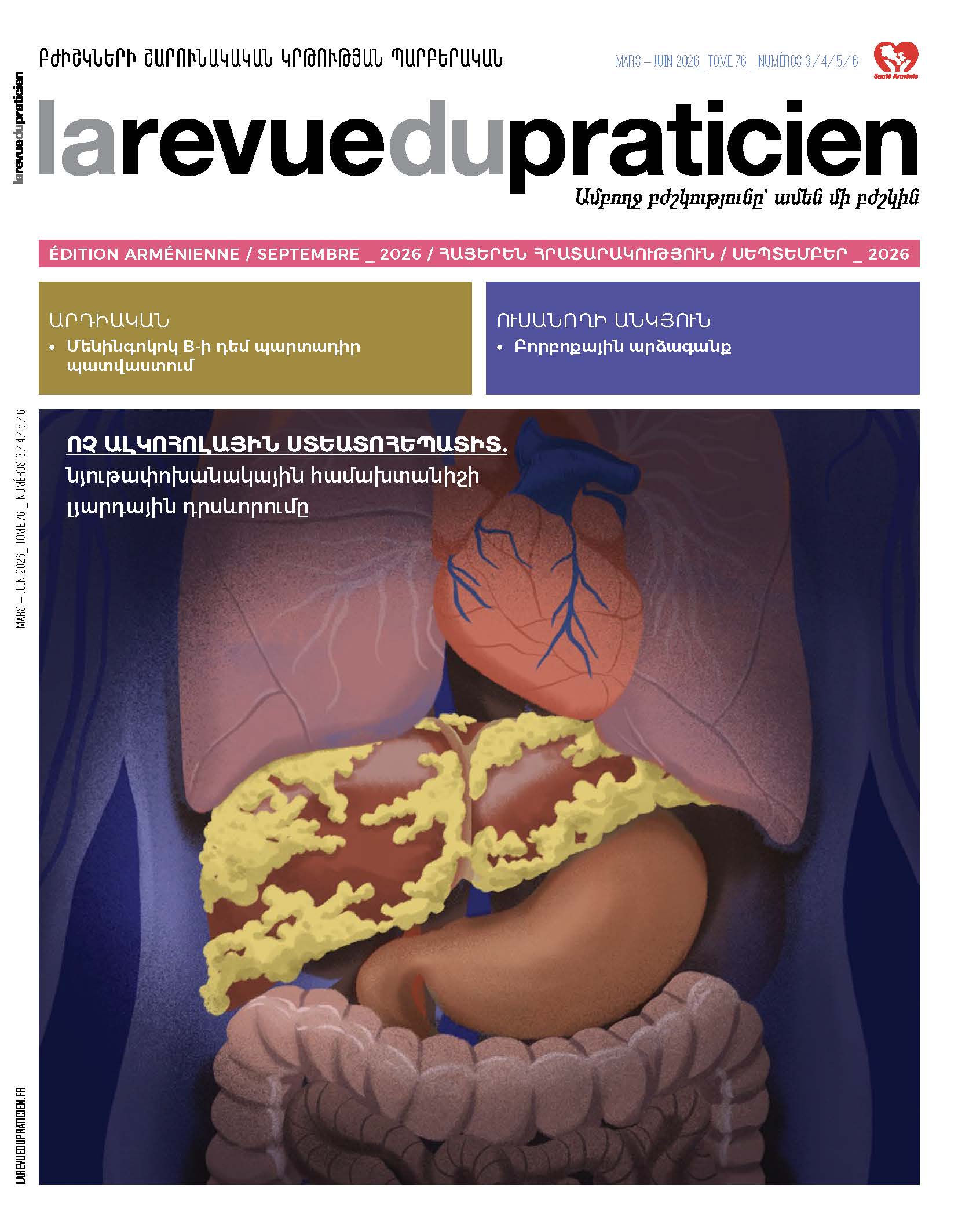
The role of bariatric surgery and endoscopy in the management of MASLD 36
Nawel Chouraqui, Guillaume Lassailly.Abstract
The epidemic of metabolic dysfunction-associated steatotic liver disease (MASLD), amplified by shifting dietary habits and increasing sedentary lifestyles, has elevated metabolic dysfunction-associated steatohepatitis (MASH) to a major public health challenge, burdened by the threat of cirrhosis and hepatocellular carcinoma.In this alarming context, bariatric surgery has progressively established itself as a key therapeutic solution, transforming the prognosis for patients with severe forms of the disease. Its efficacy extends beyond simple weight loss: it improves metabolism, reduces hepatic steatosis, inflammation, and, above all, fibrosis. Recent data confirm its impact on long-term survival, with a significant reduction in cardiovascular morbimortality and an overall improvement in life expectancy. However, this approach remains reserved for carefully selected patients. Its integration into therapeutic algorithms raises crucial questions, particularly with the emergence of new pharmacological therapies or less invasive endoscopic approaches.
MeSH :
Bariatric Surgery/methods,
Fatty Liver/etiology,
Fatty Liver/surgery,
Humans,
Non-alcoholic Fatty Liver Disease.
Keywords :
Non-alcoholic Steatohepatitis.