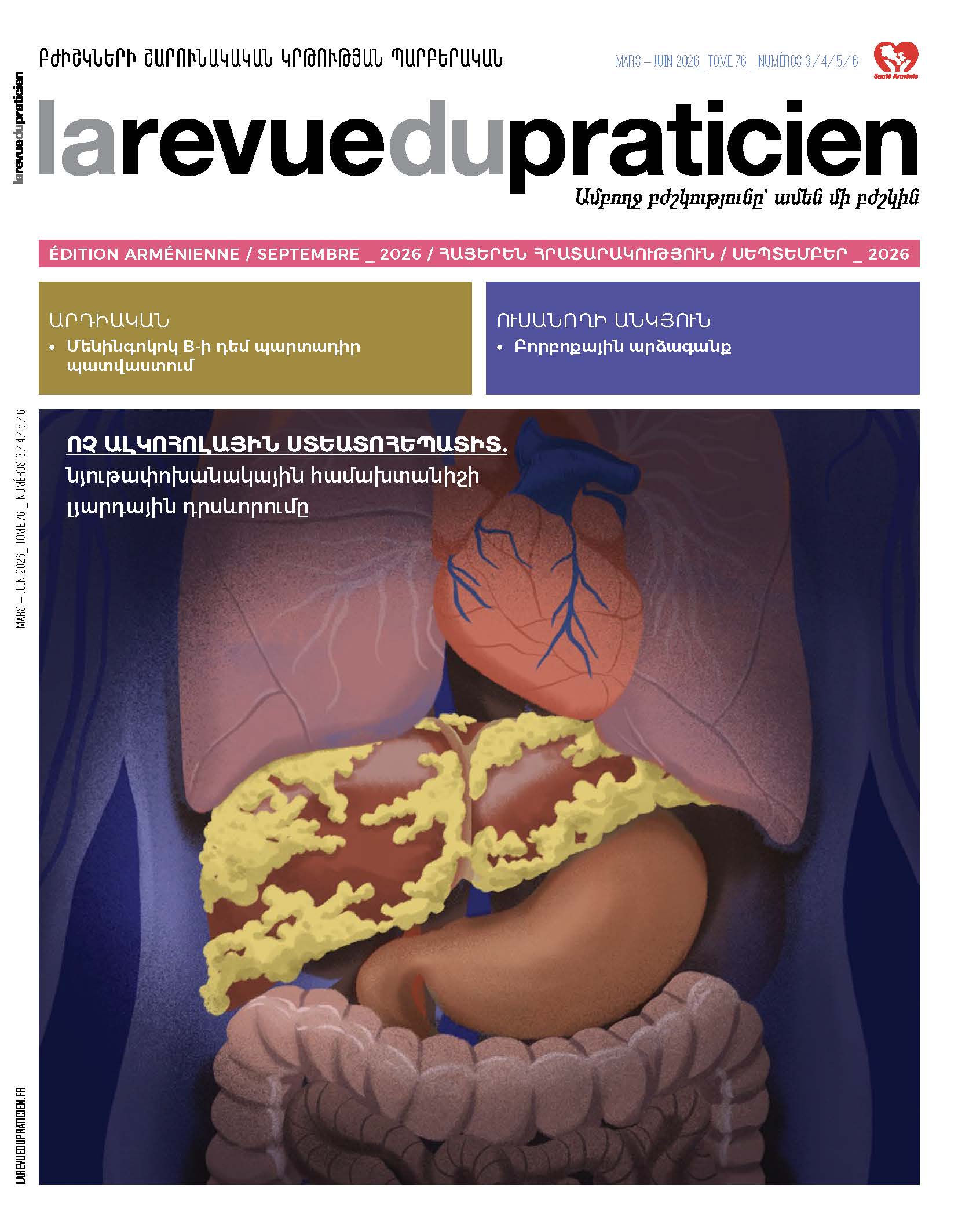
L’épidémie de stéatose hépatique métabolique, amplifiée par les mutations des habitudes alimentaires et la sédentarité croissante, a propulsé la stéato-hépatite dysmétabolique au rang de défi sanitaire majeur, grevée par le spectre de la cirrhose et du carcinome hépatocellulaire.Dans ce contexte alarmant, la chirurgie bariatrique s’affirme progressivement comme une solution thérapeutique majeure, transformant le pronostic des patients atteints de formes sévères. Son efficacité ne se limite pas à une simple perte de poids : elle améliore le métabolisme, réduit la stéatose hépatique, l’inflammation et, surtout, la fibrose. Les données récentes confirment son impact sur la survie à long terme, avec une diminution significative de la morbimortalité cardiovasculaire et une amélioration globale de l’espérance de vie.Pourtant, cette approche reste réservée à des patients soigneusement sélectionnés. Son intégration dans les algorithmes thérapeutiques soulève des questions cruciales, notamment face à l’émergence de nouvelles thérapeutiques médicamenteuses ou d’approches endoscopiques moins invasives.
Նյութափոխանակային լյարդի ստեատոոզի համաճարակը, որն ուժգնանում է սննդային սովորությունների փոփոխությունների և թափ առնող նստակյաց կենսակերպի պատճառով, նյութափոխանակային գործառույթի խանգարմամբ պայմանավորված (դիսմետաբոլիկ) ստեատոհեպատիտը մղել է առողջապահության հիմնական խնդիրների շարքը, ընդ որում՝ ծանրացուցիչ հանգամանք է, որ հիվանդությունը սպառնում է ցիռոզի և լյարդաբջջային կարցինոմայի առաջացման հեռանկարով։
Այս մտահոգիչ համատեքստում բարիատրիկ վիրաբուժությունն աստիճանաբար հաստատվում է որպես հիմնական բուժական լուծում՝ փոխելով հիվանդության ծանր ձևերով տառապող հիվանդների կանխատեսումը։ Դրա արդյունավետությունը չի սահմանափակվում միայն քաշի պարզ կորստով, այն բարելավում է նյութափոխանակությունը, նվազեցնում լյարդի ստեատոզը, բորբոքումը և, հատկապես, ֆիբրոզը։ Վերջին տվյալները հաստատում են դրա ազդեցությունը երկարաժամկետ ապրելիության վրա՝ սիրտ-անոթային հիվանդացության ու մահացության զգալի նվազմամբ, ինչպես նաև կյանքի միջին տևողության ընդհանուր բարելավմամբ։
Այնուամենայնիվ, այս մոտեցումը շարունակում է վերապահված մնալ միայն հանգամանորեն ընտրված հիվանդների համար։ Բուժական ալգորիթմներում դրա ներառումը բարձրացնում է կարևոր հարցեր, հատկապես՝ նոր դեղորայքային բուժումների և նվազ միջամտական էնդոսկոպիկ մոտեցումների ի հայտ գալու պայմաններում։
The epidemic of metabolic dysfunction-associated steatotic liver disease (MASLD), amplified by shifting dietary habits and increasing sedentary lifestyles, has elevated metabolic dysfunction-associated steatohepatitis (MASH) to a major public health challenge, burdened by the threat of cirrhosis and hepatocellular carcinoma.In this alarming context, bariatric surgery has progressively established itself as a key therapeutic solution, transforming the prognosis for patients with severe forms of the disease. Its efficacy extends beyond simple weight loss: it improves metabolism, reduces hepatic steatosis, inflammation, and, above all, fibrosis. Recent data confirm its impact on long-term survival, with a significant reduction in cardiovascular morbimortality and an overall improvement in life expectancy. However, this approach remains reserved for carefully selected patients. Its integration into therapeutic algorithms raises crucial questions, particularly with the emergence of new pharmacological therapies or less invasive endoscopic approaches.