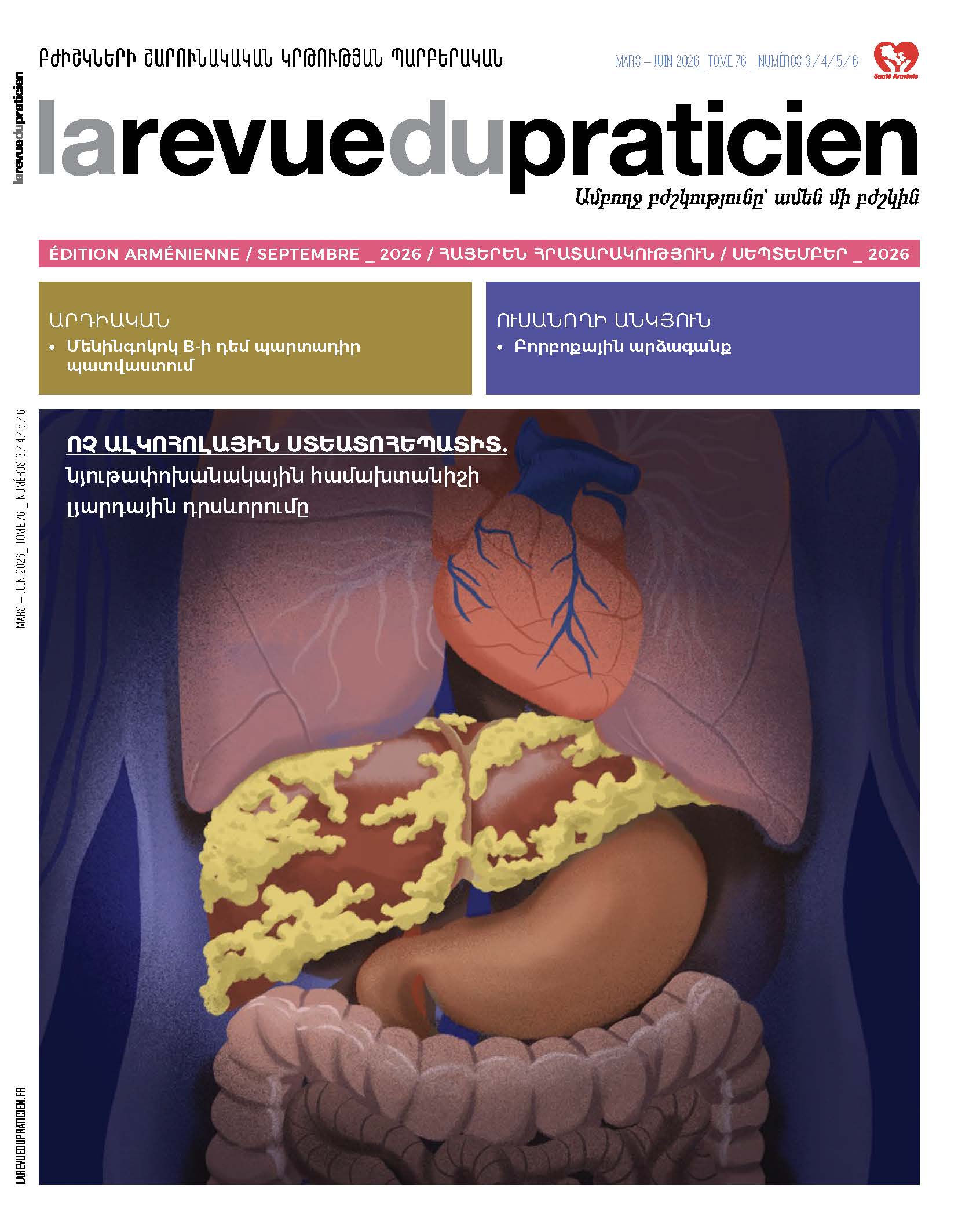
Steatosis and steatohepatitis: a risk factor for complications after liver resection 40
Karim Boudjema, Fabien Robin, Heithem Jeddou, Pauline Houssel-Debry.Abstract
Metabolic dysfunction-associated steatotic liver disease (MASLD) and its inflammatory form, metabolic dysfunction-associated steatohepatitis (MASH), have become common clinical conditions in everyday practice. Long regarded as benign, they can lead to serious liver complications, including cirrhosis and hepatocellular carcinoma, which may require liver resection or, in selected cases, liver transplantation.The presence of steatosis or steatohepatitis increases the risk of postoperative complications after hepatic resection. In the transplant setting, MASH is an increasingly frequent indication and is reshaping the management of liver transplant recipients, who often have associated metabolic syndrome (obesity, diabetes, hypertension). After transplantation, recurrence of steatosis in the graft is almost inevitable, likely reflecting the persistence of underlying genetic and environmental factors that drive metabolic syndrome.At the same time, the rising prevalence of steatosis in the general population also affects organ donors, potentially impairing graft quality and complicating post-transplant management.The growing burden of MASLD and MASH therefore calls for close collaboration between hospital-based specialists and primary care physicians, particularly for screening, management of metabolic risk factors, and long-term follow-up of patients who have undergone liver surgery or transplantation.
MeSH :
Fatty Liver/ complications,
Fatty Liver/epidemiology,
Hepatectomy/adverse effects,
Humans,
Liver Transplantation/adverse effects,
Postoperative Complications/epidemiology,
Postoperative Complications/etiology,
Risk Factors.
Keywords :
Non-alcoholic Steatohepatitis.