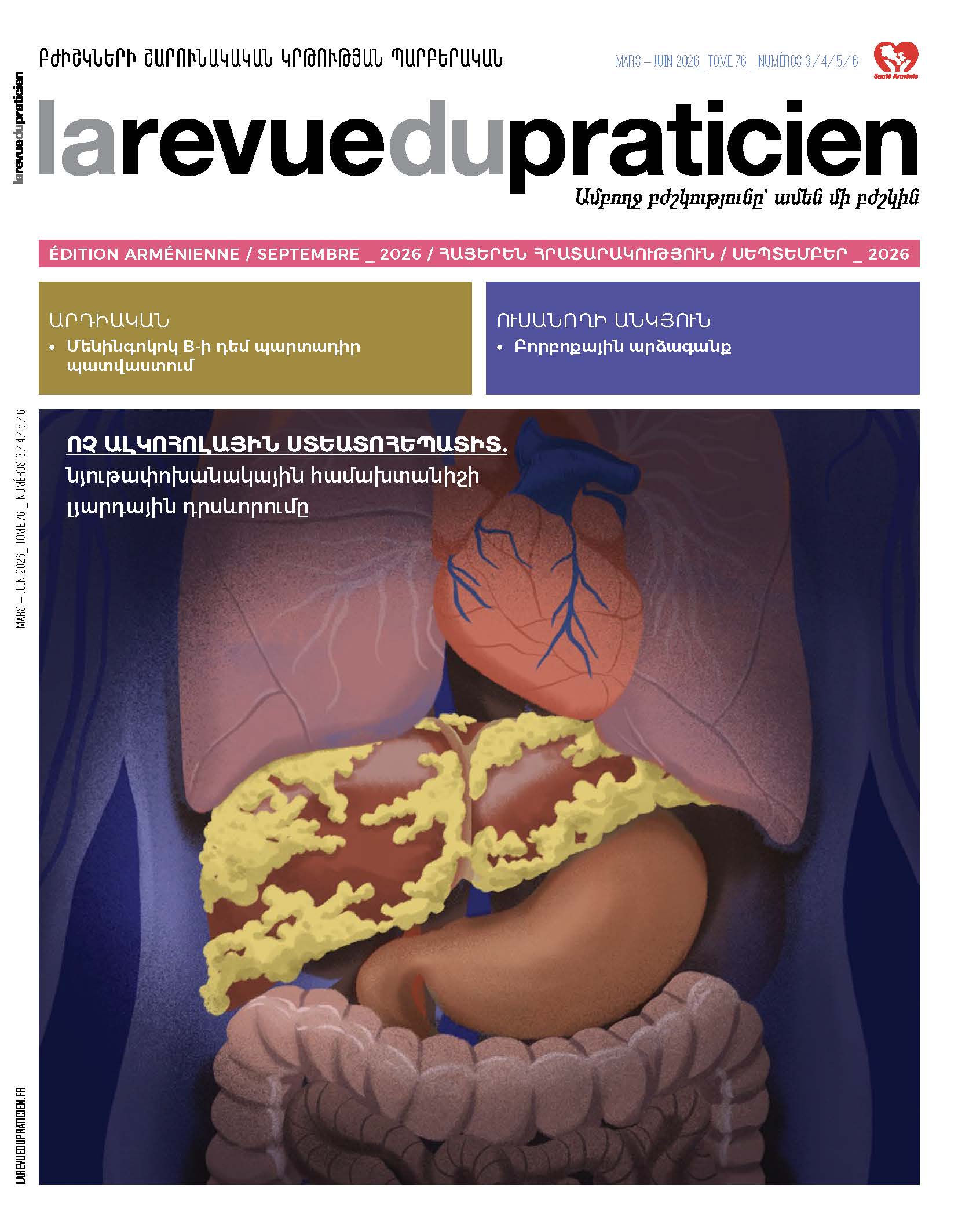
La stéatose hépatique associée à un dysfonctionnement métabolique (metabolic dysfonction-associated steatotic liver disease [MASLD]) et sa forme inflammatoire (metabolic dysfunction-associated steatohepatitis [MASH]) sont devenues des situations cliniques fréquentes en pratique quotidienne. Longtemps considérées comme bénignes, elles exposent pourtant à des complications hépatiques graves : cirrhose, carcinome hépatocellulaire, qui peuvent amener à envisager une résection ou, dans certains cas, une transplantation hépatique.La présence d’une stéatose ou d’une stéato-hépatite augmente le risque de complications après résection. En transplantation, la MASH constitue une indication croissante et transforme la prise en charge des patients greffés, souvent atteints d’un syndrome métabolique associé (obésité, diabète, hypertension artérielle). Après la greffe, la réapparition d’une stéatose sur le greffon est quasi inéluctable, en lien avec la persistance des facteurs sans doute génétiques et environnementaux qui ont fait le syndrome métabolique.Parallèlement, l’augmentation de la stéatose dans la population générale concerne aussi les donneurs d’organes, ce qui peut altérer la qualité des greffons et compliquer la prise en charge post-transplantation.La progression de la MASLD et de la MASH impose donc une collaboration étroite entre spécialistes hospitaliers et médecins référents, notamment pour le dépistage, la prise en charge du syndrome métabolique et le suivi au long cours des patients opérés ou transplantés.
Նյութափոխանակային գործառույթի խանգարման հետ համակցված լյարդի ստեատոզային հիվանդությունը (ՆՀԼՍՀ) և դրա բորբոքային ձևը՝ նյութափոխանակային գործառույթի խանգարման հետ համակցված ստեատոհեպատիտը (ՆՀՍՀ), դարձել են առօրյա պրակտիկայում տարածված կլինիկական իրավիճակներ: Տևական ժամանակ համարվելով բարորակ՝ դրանք, այնուամենայնիվ, հիվանդներին ենթարկում են ծանր լյարդային բարդությունների՝ ցիռոզի, լյարդաբջջային կարցինոմայի զարգացման վտանգի, որոնք կարող են հանգեցնել լյարդի մասնահատում կամ, որոշ դեպքերում, լյարդի փոխպատվաստում դիտարկելուն:
Ստեատոզի կամ ստեատոհեպատիտի առկայությունը մեծացնում է մասնահատումից հետո բարդությունների զարգացման վտանգը: Փոխպատվաստման բնագավառում ՆՀՍՀ-ն ավելի ու ավելի տարածված ցուցում է դառնում՝ փոխելով փոխպատվաստված հիվանդների վարումը, որոնք հաճախ տառապում են համակցված նյութափոխանակային համախտանիշով (գիրություն, շաքարային դիաբետ, զարկերակային գերճնշում): Փոխպատվաստումից հետո լյարդի փոխպատվաստուկում ստեատոզի կրկնությունը գրեթե անկասելի է՝ կապված նյութափոխանակային համախտանիշ հարուցող՝ անկասկած գենետիկական և միջավայրային գործոնների պահպանման հետ:
Միաժամանակ, ընդհանուր բնակչության շրջանում ստեատոզի տարածվածության աճը վերաբերում է նաև օրգանների դոնորներին, ինչը կարող է վատթարացնել փոխպատվաստուկի որակը և բարդացնել փոխպատվաստմանը հաջորդող վարումը: Հետևաբար, ՆՀԼՍՀ-ի և ՆՀՍՀ-ի խորացումը պահանջում է հիվանդանոցային մասնագետների և բուժող բժիշկների սերտ համագործակցություն, մասնավորապես՝ սքրինինգի, նյութափոխանակային համախտանիշի վարման և վիրահատված կամ փոխպատվաստված հիվանդների երկարաժամկետ հսկողության համար։
Metabolic dysfunction-associated steatotic liver disease (MASLD) and its inflammatory form, metabolic dysfunction-associated steatohepatitis (MASH), have become common clinical conditions in everyday practice. Long regarded as benign, they can lead to serious liver complications, including cirrhosis and hepatocellular carcinoma, which may require liver resection or, in selected cases, liver transplantation.The presence of steatosis or steatohepatitis increases the risk of postoperative complications after hepatic resection. In the transplant setting, MASH is an increasingly frequent indication and is reshaping the management of liver transplant recipients, who often have associated metabolic syndrome (obesity, diabetes, hypertension). After transplantation, recurrence of steatosis in the graft is almost inevitable, likely reflecting the persistence of underlying genetic and environmental factors that drive metabolic syndrome.At the same time, the rising prevalence of steatosis in the general population also affects organ donors, potentially impairing graft quality and complicating post-transplant management.The growing burden of MASLD and MASH therefore calls for close collaboration between hospital-based specialists and primary care physicians, particularly for screening, management of metabolic risk factors, and long-term follow-up of patients who have undergone liver surgery or transplantation.